

ED Medication | Health and Wellness Blogs
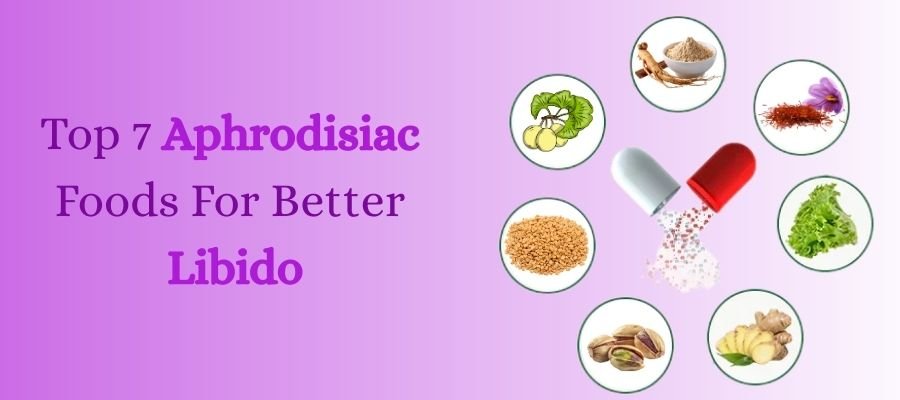
Top 7 Aphrodisiac Foods For Better Libido

What Are Aphrodisiacs?
An aphrodisian is also known as a substance that stimulates desire or libido. It was derived from the very name itself, that of Aphrodite, the Greek goddess of love – signifying romance inducing substances.
Claims have long been made around certain foods, herbs and natural extracts that supposedly ‘boost libido’. In reality, though, doctors say there’s scant meaningful evidence that either one of them does anything beyond inducing a strong placebo effect. In other words, what you believe and expect will frequently do more than the food itself does.
7 Aphrodisiac Foods For Better Libido
Maca
Maca is a sweet tasting turnip-like root that’s native to the Andes mountains in Peru and has been cherished by local people for its flavours nutritional value for thousands of years.
Known as the “Peruvian Viagra,” maca has been used for centuries to increase fertility and energy. Men and women who took maca in small studies had increased libido, men also even reported better sperm quality. One of the trials even found that maca helped alleviate loss of libido due to antidepressants in certain people.
In these studies, researchers usually feed the subjects 1.5–3.5 grams of maca per day for a few weeks. At those dosages, it is well tolerated, but experts say more research is necessary before declaring maca as a proven aphrodisiac.
Tribulus
Tribulus terrestris (sometimes also called puncture vine or bindii) is a spiky plant that grows in warm, dry climates.
It is frequently sold as a natural aphrodisiac or testosterone enhancer. Animal studies suggest that tribulus can increase testosterone levels, but human trials have not produced a clear hormone boost.
A few small trials have shown it may enhance sexual function and desire in men and women, but that’s hardly a robust case. In reality tribulus is slipped in to an herbal extract capsule. Bottom line: It could have benefit for some people, but we have little evidence in the way of high-quality studies.
Ginkgo biloba
The extract is derived from ginkgo biloba leaves of one of the oldest tree species and is a popular dietary supplement. It is believed to act as an aphrodisiac by opening up blood vessels and increasing circulation, which could assist in arousal.
The early science about ginkgo’s sexual effects is mixed. A small 1998 study of people who were taking antidepressants, for instance, found that most of the (mostly female) participants experienced a boost in libido, arousal and orgasm after taking ginkgo.
But a subsequent placebo-controlled trial did not show any benefit. Ginkgo is typically taken in a capsule or tea form and well tolerated by most people, but it is a blood thinner, so those on anticoagulant medications should use with caution.
Red Ginseng
Red ginseng (prepared from the steamed root of Panax ginseng) is an established ingredient within traditional Chinese medicine. For example, it is frequently used to treat low energy and low libido in both men and women.
Multiple studies have shown that red ginseng can lead to a modest improvement in erectile function versus a placebo. One small trial found that menopausal women who took red ginseng had better sexual arousal compared with those who took a placebo.
That said, some experts say that the studies so far have limitations, so further high-quality research is desirable. In studies on people, the daily dose of red ginseng was typically 1.8 to 3 grams for a few weeks. The herb is generally safe in small or moderate doses, though it can sometimes lead to mild side effects like headache or upset stomach.
Fenugreek
Fenugreek is a herb whose seed is commonly utilized in Indian and Middle Eastern cooking. It also appears in Ayurvedic medicine as a libido tonic.
Fenugreek has some compounds it that your body may use to produce sex hormones (such as estrogen and testosterone). In a 6-week study, men who took 600 milligrams of fenugreek extract daily reported the following: They felt both higher sexual arousal and more orgasms.
In another 8-week study of women who had low desire, subjects on 600 mg/day fenugreek experienced significantly better sexual desire and arousal than those taking a placebo. Fenugreek is generally safe when consumed as food or a supplement, but it can cause mild indigestion or interact with blood-thinning medication.
Pistachio Nuts
Pistachios are a nutrition-dense tree nut (consumed since antiquity) that’s a good source of protein, fiber and healthy fats. They’re most famous for heart benefits — they keep blood pressure down and improve cholesterol profiles. Good cardiovascular health = good circulation Good heart health is important for your sexual function.
In one small 3-week study, for example, men reported an increased blood flow to the penis and firmer erections after eating about 3.5 ounces (100 g) of pistachios per day. The researchers believe this benefit is due to the nuts’ influence on cholesterol and blood vessels.
Saffron
Saffron The pricy red spice crafted from the ribbons of a crocus flower, beloved for taste and traditional healing. It’s frequently used to boost mood and lower stress, and has some research behind its reputation as an aphrodisiac. In men, a placebo-controlled trial found that consuming saffron at a dose of 30 mg daily for four weeks was superior to placebo in improving erectile function.
Another trial with women found that 15 mg/day of saffron taken for a month resulted in increased sexual arousal and lubrication compared to placebo. Intriguingly, the antidepressant effects of saffron appear to be most pronounced in individuals taking antidepressants; findings from other groups have varied.
Culinary use One pound of saffron is enough to season 80 pounds of food, or 12,800 servings For an excellent result, Just A Pinch If you have is took the initiative and came up with a substitute A recipe that for equivalent weight.
Do Aphrodisiacs Work?
But even these encouraging examples can be a cautionary tale. In general, the research behind most aphrodisiac foods is not robust. As GoodRx points out, there’s actually no convincing evidence that any standalone food or herb reliably increases libido. Some small studies suggest that maca, tribulus, ginkgo and ginseng may have some modest benefit, but even the authors of a large review concluded that the evidence is weak and mixed. In reality, it’s likely that much of the effect is psychological.
If you think a food is going to get you in the mood, then that can, in itself, be quite powerful. Rather than looking for miracle foods, they say it’s best to stick with known quantities in terms of habits, regular exercise, good sleep, stress management and a balanced diet are far more reliable ways to support a healthy sex drive.
Bottom Line
The seven foods above are each supported by some science, but none of them is a magic bullet. You can feel free to try them in small amounts and let your body tell you whether they’re helpful for you personally.
natural is not synonymous with harmless. Many herbal aphrodisiacs may interact with medications (such as blood thinners). If you use any prescription drugs, it’s a good idea to consult with your doctor before adding new supplements.