

ED Medication | Health and Wellness Blogs
Can Gas Cause Chest Pain?- Cause, Symptoms & Treatment

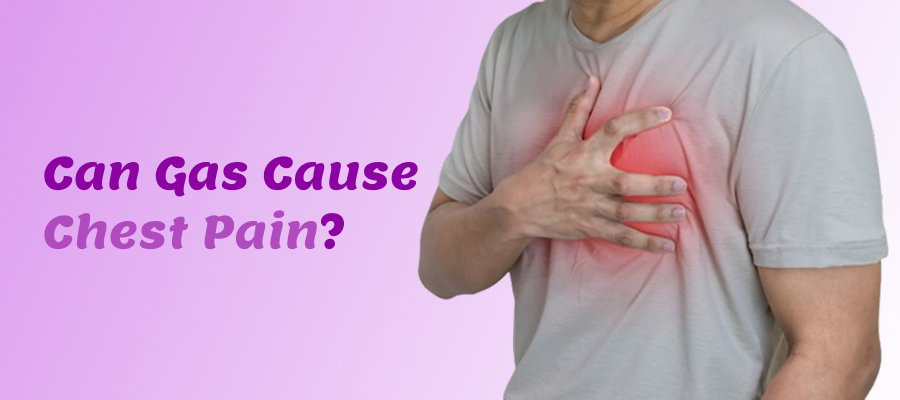
The pain in the chest has a way of grabbing your attention instantly. Even if it is only one second it is enough to make you stop in your tracks. People’s minds are often drawn to heart issues and that is logical. Heart pain is something that we’re taught not to overlook. However, what many do not realize is that digestive issues, especially gas, can sometimes be quite uncomfortable in the chest.
Although chest pain caused by gas isn’t usually dangerous however, it can be painful and at times scary. Knowing the real issues within your body can alleviate the fear.
What Is Gas-Related Chest Pain?
The chest pain that is caused by gas occurs when air becomes trapped within your digestive system and finds no place to go. The pressure is usually felt in the stomach or the upper intestinal tract. Since these organs are located in close proximity to our chests, discomfort may spread outward and appear as if it’s emanating from the chest itself.
What Causes Gas Pain in the Chest?
There’s not a single cause. Gas discomfort is often caused by small routines that don’t seem to be a huge issue.
1. Swallowing Excess Air
Fast eating or drinking fizzy drinks chewing gum or even talking during meals could cause you to take in more air than you normally do. This extra air may accumulate in your stomach and create discomfort and pressure.
2. Indigestion and Bloating
Foods that are heavy, particularly ones that are high in fat or spice, can take a while to take in. When digestion slows, gas builds up. This could cause the bloat pushing upwards and causes chest discomfort.
3. Acid Reflux and GERD
Acid reflux can trigger discomfort or burning in the chest. If gas pressure increases inside the stomach, it may cause reflux symptoms to worsen, making the pain more intense or more alarming.
4. Food Intolerances and Sensitivities
Certain foods aren’t for all. Gluten, dairy beans, onions, or artificial sweeteners, can be fermented in the gut, causing extra gas that causes discomfort and pressure.
5. Constipation and Slow Digestion
If bowel movements are not frequent gas is less likely to escape. The gas that is trapped may cause discomfort, which can spread across the abdomen and into the chest.
6. Bacterial Overgrowth in the Gut
A bacterial imbalance in the gut can cause excessive gas production. It is often accompanied by gastric cramps, bloating, and chest tightness following meals.
Symptoms of Gas-Related Chest Pain
- Gas-related chest pain typically manifests with digestive symptoms, for example:
- Feeling full or the sensation of being bloated.
- Burping often
- The pain shifts in the location of the pain.
- Temporary relief from the gas meter after passing
- A swollen stomach that gets worse after eating
How Does Gas Pain Differ From Heart-Related Pain
The most common symptoms of gas pain are:
- Comes and goes
- Feels sharp, or crampy.
- Improvements following burping or movement of the bowel
- It is linked to meals or digestion
- Pain in the heart is more susceptible to
- Feel heavy, squeezed or crushing
- Spread out to the arm, neck, jaw or even the back
- It may be accompanied by nausea, sweating or shortness of breath.
- If you ever have doubts it’s best to be safe and have it tested.
When to See a Doctor
It is recommended to seek medical attention for chest pains:
- If it’s serious or doesn’t improve,
- The symptoms include fainting, dizziness or even fainting.
- This can happen in conjunction with breathing issues.
- You’re feeling different than any other experience you’ve had previously
- Do not assume that your chest discomfort is “just gas” in the event that you aren’t sure.
How Is Gas-Related Chest Pain Diagnosed?
Doctors generally check for serious illnesses first.
1. Medical History And Symptom Evaluation
It will be necessary to discuss your food habits as well as your stress levels and when you feel pain.
2. Physical Examination
A simple test can show tenderness or bloating in the abdomen.
3. Diagnostic Tests (If Needed)
Tests such as ECGs or imaging can be used to rule out heart problems.
4. Distinguishing Heart Pain from Gas Pain
After serious health issues are identified digestive causes are more likely.
Related Blog Like, Best Gas Station Sex Pills for Men That Work Fast?
Does BlueChew Make You Bigger?
Treatment and Remedies for Gas-Related Chest Pain
- Sometimes relief is found in simple steps.
- Home Remedies for Quick Relief
- Walking to move gas
- Hot water and herbal tea are great for drinking.
- Applying a heating pad to the stomach
- Relaxing abdominal massage or gentle stretching
- They help to release trapped air and lower pressure.
- Lifestyle Changes for Long-Term Relief
- Take your time eating and eat mindfully.
- Beware of eating too much.
- Cut down on carbonated beverages
- Stay upright after meals
- Even small modifications can create a significant impact over the course of the course of.
How to Prevent Gas-Related Chest Pain
Prevention Begins By Establishing Better Eating Habits
- Eat Mindfully and Improve Digestion
- Take your time and eat slowly. Avoid rushing meals.
- Avoid Gas-Producing Foods
- Be aware of what triggers symptoms and reduce these foods.
Maintain a Healthy Lifestyle
Regular exercise, water intake, and balanced food choices support the health of your gut.
Manage Acid Reflux and Gut Health
Avoid eating late at night and other known reflux causes.
Reduce Stress and Practice Breathing Exercises
Stress can cause digestive problems and can increase the amount of air swallowed.
Bottom Line
Gas can indeed cause chest pain. Sometimes, it can be so intense that it is alarming. While chest pain related to gas is generally safe however chest pain should not be overlooked. If the symptoms are abnormal or intense medical advice is the best option.