

ED Medication | Health and Wellness Blogs
Pictures Of Yeast Infection In Virgina

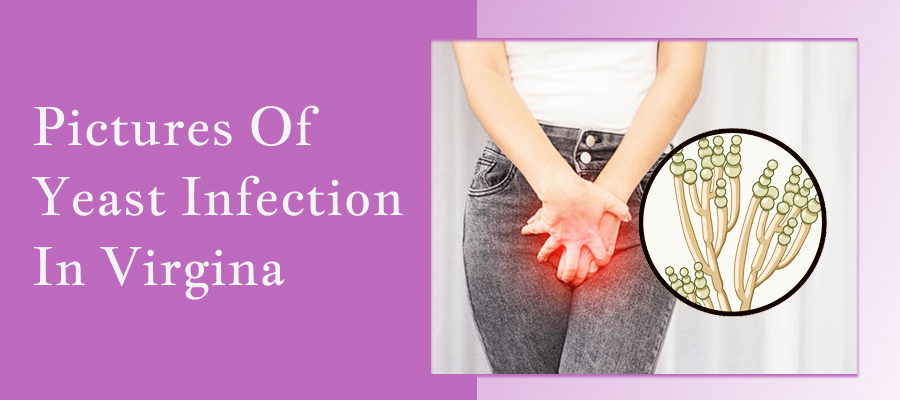
A Yeast Infection In Virgina is an entity that results from the over-proliferation of fungus in the vaginal region. Candida, a class of fungus, is infective and already present in the vaginal region, and is one of the most common types found in Virginia Yeast Infections.
Naturally in the vaginal region, yeast exists in equilibrium with other substances, including bacteria. The disturbance of that equilibrium can lead to inflammation and increased vaginal discharge.
Yeast infections can happen to anyone. It is not a sexually transmitted disease. It can happen to even people who have never had sex. In this article, the characteristics of a yeast infection in Virginia will be explained in detail, as will the causes of yeast infections, and the management and prevention of yeast infections.
What Is A Virginia Yeast Infection?
A yeast infection can also be called vaginal candidiasis. It occurs when there is an overgrowth of the fungus Candida in the vaginal and the outer genital region of the vagina, the vulva. Normally, Candida is found in the vagina in small amounts. Beneficial bacteria help regulate its growth. Yeast infections occur when the growth of those bacteria is hampered, and the yeast (in this instance, Candida) is allowed to grow beyond normal equilibrium.
Infection can cause inflammatory, and yeast infections are common, as 3 out of 4 women may suffer from them at least once in their lifetime, and in some, they may be multiple. It may be annoying, but it is manageable through the use of medicine.
Common Signs and Symptoms
Yeast infections are characterized by a very annoying and troublesome itchy feeling in the vagina and vulva. Sometimes, this can even result in discomfort.
Redness and Swelling
The outer skin of the vulva is usually red and irritated or resembles a rash and/or a sunburn. The labia (vaginal lips) may also become swollen/painful.
Vaginal Fluid Discharge
A very common and usually irritating symptom is the discharge of a thick, white vaginal fluid. This fluid resembles basic yogurt or cottage cheese. This fluid is not very odoriferous and is not irritating to the vulva. This discharge may sometimes be dry or crumbly, instead of fluid and watery.
Burning and Discomfort
The discharge and the skin irritation may cause painful (irritating) cracks in the vulva, which may cause a burning sensation when you urinate and/or when you have sexual intercourse.
Pain and Swelling
If the vulva is extremely irritated, it may even be painful to walk and/or wear constricting clothing. In severe cases, the inflammation may be painful and cause skin fissures to form and may even sting.
How it Differs from other Vaginal Infections
It is important to note how this condition differs from other vaginal infections. It is important to remember how other vaginal problems may share some of the symptoms. They may share some of the symptoms of bacterial vaginosis (BV) and sexually transmitted diseases (STIs). Some of the differences are:
Yeast Infection
Vulval swelling and redness and painful discharge are extremely common. The discharge may be thick and white, and cottage cheese-like, and has a minimal odor.
Bacterial Vaginosis (BV)
Vaginal discharge is usually gray or off-white, and is thin and very watery and may have a very non-irritating and strong “fishy” odor. Vulvitis (vulva inflammation) is also very uncommon and usually if present is extremely mild and unnoticeable.
STIs. Trichomoniasis can possibly cause discharges that are yellowish or greenish. These can even be foamy. The smell may be described as a distasteful or a musty odor. There can be pain during intercourse. There can even be irritation and itching.
Some women may experience irritation along with dryness, especially during menopause, and may feel more of a raw or chapped feeling instead of a discharge.
Read this blog , Can a Yeast Infection Cause a UTI? Find the Truth
Infections and Their Causes
Why are there yeast infections? Remember that the Candida in your body is fairly controlled by the good bacteria present.
Antibiotics kill not only the infection-causing bacteria, but also good bacteria in your body, including those in the vagina.
In the absence of good bacteria, the fungi can cause a yeast infection, as can the use of an antibiotic prescribed for a bladder infection.
Yeast may also thrive during some of the natural hormonal fluctuations. These include hormone therapy, birth control pill, and especially during pregnancy due to the increased estrogen levels, and the natural menstrual cycle. Many women report increased yeast infections during their monthly cycle.
Diabetes and Poor Control of Blood Sugar
Yeast infections may also be caused by the increased sugar in the blood due to an uncontrolled infection-causing diabetes. Yeast infections may also be caused by some conditions and medications that may cause a poor control of the infection.
Moist and Warm Areas
Yeast infections may also be caused from the warm, moist environment caused by sweating during a workout and not changing workout clothes, or from a tight and non-breathable clothes and underwear.
Using scented soaps, bubble baths, or using scented pads or sprays can disturb the delicate balance of your vagina and encourage the growth of yeast.
Diet And Lifestyle
Yeast prefers a sugary and carbohydrate rich diet. Many women report that a proactive diet with less sugar and more probiotics helps prevent yeast infections.
Treatment
Yeast infections are very simple to treat and the good news is, most of the time the medication is available over-the-counter. Here are several options that you may choose:
Most yeast infection treatments are antifungals that can be found at your local pharmacy as creams, vaginal suppositories, or oral medications. Examples include miconazole or the one-dose oral Diflucan (Fluconazole). The cream or suppository is to be used for about 3-7 days, and prescribed as per the directions. These medications help eliminate the yeast and you are often feeling better within a couple of days of starting the treatment.
Preventative and Hygiene Tips
Most of the time, yeast infections can be avoided by keeping the vagina happy:
Choose cotton underwear and shun supertight pants or leggings for extended periods; instead, wear breathable clothing. Air movement is made possible by cotton, therefore preserving dryness.
Immediately change any damp clothing so that you don’t stay in wet swimsuits or exercise gear.
Product care
When it comes to scented products, from soaps to douches, please avoid. The vagina is capable of cleansing itself, and adding fragrance disrupts the flora and potentially causes more problems than it solves.
You should wash your vulva regularly with warm water and even soap that is unscented and mild, if used at all. Wiping front to back helps keep the vaginal area from the bacteria in the rectal area, which helps maintain the vagina’s ability to self-clean.
Eating foods that have probiotics like yogurt, kefir, and sauerkraut can help keep the bacteria in the vagina balanced and healthy. It may help to cut back on sugar since yeast consumes sugar.
There are also effects to using antibiotics. You should avoid using them unless deemed necessary, and you should use probiotics during treatment and after to replenish the flora.
Safe sex practices
To maintain the health of your vagina’s flora, using condoms can help. It is best to have your partner use a condom as well since vaginal yeast can be passed to a male partner and then to another female partner.
Lower stress
your immune system can be impacted by stress, and mild exercise, yoga, and meditation, can help. Getting enough sleep can also help.
When One Should See a Doctor
You should visit the doctor if you experience recurring yeast infections more than four times a year, or if you have yeast infections that are really painful and spreading. Frequent infections may also indicate that immune disorders or diabetes are underlying conditions. Longer treatment plans may be required in these cases.
Bottom Line
If you are pregnant and have a yeast infection, call your OBGYN. Symptoms of yeast infections have a tendency to change during pregnancy. If you have an autoimmune disorder or take immunosuppressive medications, tell your doctor about any early signs of infection because special considerations for your infection may be necessary. you can more information to visit our website fildena100.us
Yeast infections usually cause annoying symptoms, including swelling, inflammation, a thick white discharge, and an itch or a burn. Fortunately, yeast infections are usually simple. Once you know the symptoms of a yeast infection and the triggers, you can treat the infection quickly and take preventative steps against future infections.
Never hesitate to reach out to a doctor or gynecologist if you have any concerns, because it is better to be safe and get an infection treated quickly, than to be in pain. You will have a speedy recovery with the right treatment, because you deserve to be comfortable and healthy.